Save $50 When You Refer a Neighbor
Clear Unwanted Debris With Debris Removal Services in Hernando, FL
Clear tree material, brush, yard waste, and other organic debris with organized hauling and cleanup suited to residential and commercial properties.
Clear Unwanted Debris and Restore Usable Property Space
Tree work, storms, routine yard maintenance, and property clearing can leave large amounts of unwanted material behind. Branches may pile up across a yard, brush can occupy valuable outdoor space, and heavier tree material can be difficult to load or move without suitable equipment. Debris removal services in Hernando, FL, provide an organized way to clear unwanted organic material and return affected areas to practical use. Whether the debris comes from tree work, severe weather, overgrown vegetation, or another outdoor project, the cleanup should reflect the amount and type of material present.
Property cleanup can become particularly difficult when debris is spread across a large area or includes heavy wood that cannot be handled efficiently by hand. Tree debris removal may involve branches, logs, brush, and other material left after pruning or removal. Yard debris removal can address accumulated organic waste that interferes with mowing, landscaping, access, or general property use. Heavy equipment and hauling capacity can make larger cleanup projects more manageable by allowing material to be gathered, loaded, and removed in a planned sequence. Assessing the property first helps determine equipment access, debris volume, work-zone priorities, and the appropriate cleanup approach.
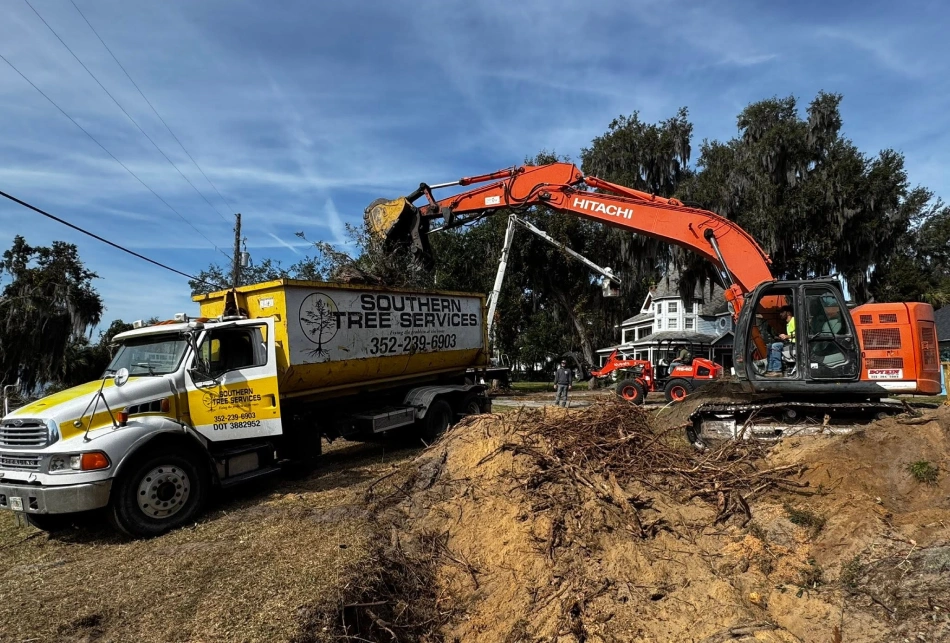
Remove Tree Debris, Brush, and Yard Waste Efficiently
Debris can accumulate for many reasons. Routine trimming may leave branches and smaller limbs throughout a work area. A removed tree can produce substantial amounts of logs and canopy material. Storms can scatter branches, leaves, brush, and damaged timber across an entire property. Overgrown areas may also contain accumulated vegetation that must be cleared before the space can be used for another purpose. A debris removal project should begin by identifying the material present and determining how it can be handled efficiently.
Tree debris removal often involves material of different sizes and weights. Smaller branches may be gathered manually or mechanically, while heavy logs and larger sections of wood can require machinery for efficient movement. Keeping these materials organized during cleanup helps prevent the work area from becoming more difficult to navigate as the project progresses.
Yard debris removal can address organic material that has accumulated throughout lawns, landscaped areas, and other outdoor spaces. Brush, branches, and tree waste may interfere with mowing equipment, block access to portions of the yard, or occupy areas intended for landscaping. Clearing the material can restore a more open surface and make routine property maintenance easier.
Brush debris removal is useful when cut vegetation or overgrown material has accumulated in concentrated piles. Brush can be bulky even when individual pieces are relatively light. Large quantities can quickly consume trailer or hauling space and become difficult to move efficiently without an organized loading process. Gathering the material into planned work zones can help streamline removal.
Storm debris removal presents additional challenges because severe weather can distribute material unpredictably. A property may contain scattered branches in one area, a fallen tree in another, and smaller organic debris throughout the grounds. Cleanup may need to be prioritized according to access and the size of the material. Driveways, entrances, walkways, and other necessary access points can be addressed before less urgent areas when conditions require it.
Property debris removal may include:
- Tree debris removal: Branches, logs, and other tree material can be gathered and cleared after trimming, removal, storm damage, or other tree work.
- Yard waste removal: Organic yard material can be cleared when accumulated waste interferes with mowing, landscaping, access, or normal outdoor property use.
- Brush debris removal: Cut brush and vegetation can be gathered, loaded, and hauled from overgrown or recently cleared areas.
- Storm debris removal: Fallen branches, damaged timber, brush, and other organic storm material can be removed from affected residential and commercial properties.
- Property cleanup: Outdoor areas containing scattered organic material can be systematically cleared according to the size of the property and amount of debris present.
- Organic debris removal: Tree and vegetation material can be loaded and transported as part of a planned cleanup based on the agreed project scope.
The location of debris affects how cleanup should proceed. Material piled in an open area may provide easy access for equipment, while debris behind a home, fence, building, or narrow entry point can require a different approach. Ground conditions also matter. Soft terrain, slopes, landscaping, and confined spaces can influence where machinery can operate and how material is moved toward the loading area.
Commercial properties can require debris cleanup across larger or more active grounds. Branches and organic material may interfere with parking spaces, walkways, customer areas, or property maintenance. Commercial cleanup should account for the layout of the site and how people use it. Organizing work around active areas can help clear necessary spaces while keeping the project structured.
Residential properties can present tighter working conditions. Yard debris may be located behind homes, around fences, near landscaping, or in areas where large equipment has limited access. The cleanup approach should therefore reflect the actual site rather than assuming all material can be loaded directly from where it lies.
Reclaim Outdoor Areas From Heavy and Scattered Debris
Accumulated debris can make otherwise usable property difficult to maintain. A pile of branches may occupy space intended for landscaping, logs can obstruct mowing routes, and brush can make sections of a yard or commercial site inaccessible. Removing these materials gives property owners a clearer starting point for regular maintenance, landscaping, construction preparation, or other outdoor plans.
The first stage of property cleanup is determining the scope of the material. A few piles of branches require a different approach from an entire property covered with storm debris. Larger projects may involve multiple types of material, including logs, limbs, brush, leaves, and other organic waste. Identifying these materials before work begins helps determine the equipment and hauling capacity required.
Tree cleanup service after pruning or removal can also help complete the overall tree project. Cutting branches or removing a tree creates material that must go somewhere. When debris is included in the cleanup scope, branches and wood can be processed and moved out of the work area instead of remaining as a separate problem for the property owner.
Storm debris cleanup may require a more immediate response when fallen material restricts access. Branches across a driveway or parking area can interfere with vehicles, while heavy tree debris can block walkways and other frequently used areas. Clearing priority zones first can help restore practical movement through the property before work continues into less critical sections.
Heavy equipment can support larger cleanup projects by moving substantial volumes of material more efficiently. Large logs and dense piles of branches can require significant labor when handled individually. Machinery can help consolidate and load material, while hauling vehicles provide the capacity needed to move it away from the site.
The work area should remain organized throughout the cleanup process. Material can be gathered into manageable zones, loaded according to size and type, and removed progressively. This approach can help prevent cleared areas from being covered again as debris is moved from another part of the property.
Yard waste removal may also be appropriate after vegetation management. Brush and organic waste can accumulate during property maintenance even when no tree has been removed. Clearing this material can open space around existing trees, landscaping, fences, and other features. The amount of material and accessibility of the area determine how the cleanup should be approached.
Organic debris removal is focused on material such as tree wood, branches, brush, and similar outdoor waste. Property owners should identify the type of material they need removed when scheduling the work so the project scope can be established correctly. This is especially important when a property contains a mixture of organic debris and unrelated materials.
Commercial property cleanup can help property managers address accumulated tree material without leaving it around active areas. Debris near parking lots, entrances, walkways, landscaped areas, or buildings can interfere with normal property use. A planned cleanup can prioritize these locations and then progress through other areas of the site.
Residential property cleanup can restore yards after storms, tree work, or periods of accumulated vegetation. Removing debris can make it easier to mow, landscape, walk through the property, or prepare an area for another project. It can also reveal sections of the ground that were previously hidden beneath brush or tree material.
The final result of debris removal depends on the agreed scope. Some projects involve clearing material already gathered into piles, while others require collecting scattered debris from throughout the property. Larger timber may need to be processed before loading, and brush may need to be consolidated for efficient hauling. Establishing these details before work begins helps align the cleanup with the condition of the site.
Debris removal services in Hernando, FL, provide a practical way to clear tree material, yard waste, brush, and storm debris from residential and commercial properties. Whether the project follows tree work, severe weather, vegetation clearing, or accumulated outdoor maintenance, an organized approach can help restore valuable property space.
When unwanted debris begins interfering with access, mowing, landscaping, or normal use of your property, scheduling cleanup can help clear the obstruction. The material, work area, and access conditions can be evaluated before loading begins so the appropriate equipment and hauling approach are selected. From tree debris cleanup to larger property debris removal, clearing unwanted material can return outdoor areas to a cleaner and more usable condition.
Frequently Asked Questions About Debris Removal
-
Debris cleanup can include tree branches, logs, brush, tree waste, yard waste, and other organic material associated with tree work, storms, vegetation management, or outdoor property cleanup. The specific material should be identified when arranging the project so the appropriate cleanup and hauling scope can be established.
-
Yes. Tree trimming and removal can leave substantial amounts of branches, logs, and other tree material. Tree debris cleanup can address this material when included in the project scope, helping clear the work area instead of leaving the property owner with piles of wood and branches to manage afterward.
-
Yes. Storm debris removal can address fallen branches, damaged tree material, brush, and other organic waste left after severe weather. Cleanup can be organized according to property access, material volume, debris size, and which areas need to be cleared first.
-
Large cleanup projects can be handled with equipment and hauling capacity suited to substantial volumes of tree and organic material. The property should first be evaluated for equipment access, debris location, material size, and the amount of hauling required so the work can be planned efficiently.
-
Yes. Debris removal can address residential yards as well as commercial grounds. Residential work may involve lawns, driveways, landscaping, and outdoor spaces, while commercial cleanup can focus on parking areas, entrances, walkways, maintained grounds, and other active property areas.
Clear the Way With a More Manageable Cleanup Plan
Flexible financing is available with an approved application, giving qualifying customers another payment option for larger debris removal and property cleanup projects.